
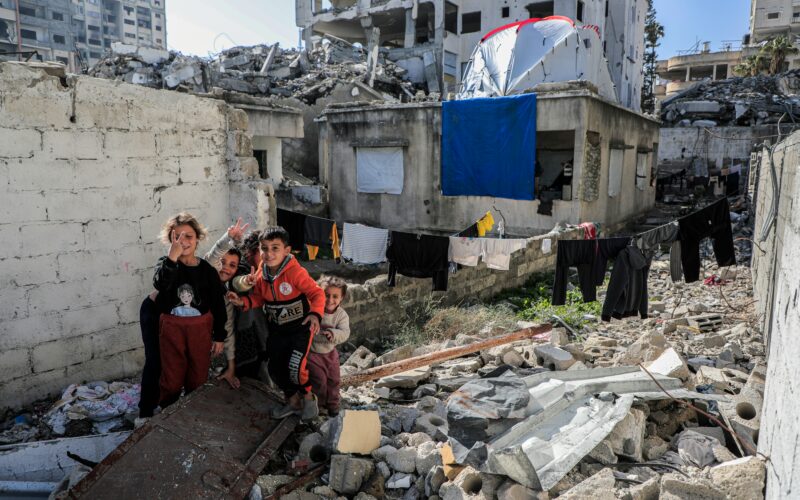
Humanitarian agencies are warning that a growing combination of armed conflict, hunger, disease, displacement, and shrinking international aid budgets is pushing several of the world’s most vulnerable regions toward deeper catastrophe. Reports from Reuters, the Associated Press (AP), and United Nations humanitarian updates describe worsening emergencies in Gaza, Haiti, Somalia, and the Central African Republic, where millions of people are struggling to access food, healthcare, and basic protection amid mounting instability.
Aid organisations say the global humanitarian system is increasingly unable to meet demand as donor governments reduce funding at the same time crises are expanding. Reuters reported that humanitarian food-sector funding dropped by nearly 39 percent in 2025 compared with the previous year, while development assistance also declined sharply. The Global Report on Food Crises warned that conflict, climate shocks, and economic disruption are expected to keep global hunger at critical levels throughout 2026.
In Gaza, humanitarian agencies continue to warn of severe shortages of food, clean water, medicine, and fuel after months of conflict and damaged infrastructure. United Nations reports cited by Reuters and humanitarian agencies describe a healthcare system operating under extreme pressure, with hospitals overwhelmed and aid deliveries repeatedly disrupted. OCHA, the UN humanitarian coordination office, reported that attacks, supply restrictions, and security concerns have slowed humanitarian operations and endangered aid workers attempting to deliver emergency supplies.
Aid officials say the humanitarian crisis in Gaza has become one of the world’s largest and most expensive emergency operations. Reuters reported that the United Nations allocated the biggest portion of its reduced 2026 humanitarian appeal to Gaza, reflecting the scale of destruction and displacement there. Despite those efforts, humanitarian agencies warn that continued funding shortages are forcing organisations to prioritise only the most severe cases, leaving many families without adequate support.
In Haiti, escalating gang violence and economic instability are worsening already dangerous levels of hunger and displacement. According to AP reporting, more than half of Haiti’s population is facing acute food insecurity, while nearly two million people are experiencing emergency levels of hunger. Armed gangs continue to disrupt transport routes, attack farming communities, and restrict humanitarian access in several regions, especially around Port-au-Prince and the Artibonite region.
The Associated Press reported that rising fuel prices linked to wider international instability have further increased transportation and food costs in Haiti, putting additional pressure on struggling families. Humanitarian officials warned that gains made in reducing hunger could quickly disappear if violence and inflation continue. Haiti’s agricultural sector, once considered a key source of national stability, has also suffered as gangs seize control of farmland and force communities to flee.
Healthcare services in Haiti have also been badly affected. AP reported that Doctors Without Borders permanently closed one of its emergency medical centres in Port-au-Prince after repeated attacks and worsening insecurity near combat zones. More than 60 percent of the capital’s health facilities are reportedly no longer fully operational due to gang violence. Aid agencies say the collapse of healthcare services is increasing risks from injuries, infectious disease, and untreated illnesses.
Somalia is facing another major hunger emergency driven by drought, conflict, displacement, and declining foreign assistance. Reuters reported that nearly six million Somalis are experiencing acute hunger, while around 1.9 million children are acutely malnourished. The World Food Programme warned it may have to halt humanitarian support operations entirely by July unless urgent funding is secured.
Aid officials described Somalia as one of the world’s largest malnutrition hotspots. Several failed rainy seasons have devastated crops and livestock, while insecurity linked to the Al-Shabaab insurgency continues to disrupt aid distribution. Reuters reported that the WFP has already reduced the number of people it can support from two million to around 500,000 because of funding shortages. Supply chain disruptions connected to conflict in the Middle East have also delayed deliveries of therapeutic food used to treat severely malnourished children.
Humanitarian organisations in Somalia also warned that closures of health centres and schools caused by aid reductions are deepening the crisis. Save the Children Somalia told aid monitors that more than 200 health centres and 400 schools have reportedly closed in recent months because international funding has declined.
In the Central African Republic, humanitarian groups continue to report serious challenges linked to armed conflict, displacement, and limited state services, although the crisis receives far less international attention than Gaza or Haiti. Aid agencies say violence involving armed groups continues to disrupt communities, damage infrastructure, and restrict access to healthcare and food assistance. Humanitarian organisations operating in the country have repeatedly warned that underfunding is limiting emergency response operations and leaving vulnerable populations exposed to worsening poverty and insecurity.
Across all four crises, aid agencies are expressing growing concern that donor fatigue and geopolitical instability are weakening the global humanitarian response at a time when needs are rapidly increasing. Reuters reported that UN officials believe as many as 239 million people worldwide now require urgent humanitarian assistance. Yet shrinking budgets are forcing organisations to scale back programmes, reduce food distributions, and suspend critical healthcare operations.
Humanitarian leaders say the consequences of inaction could be severe. They warn that prolonged hunger, collapsing healthcare systems, and ongoing violence could create long-term instability affecting entire regions. Agencies including the World Food Programme, UN OCHA, Doctors Without Borders, and multiple international charities are continuing to appeal for increased funding and safer humanitarian access, arguing that millions of lives depend on whether the international community responds quickly enough.