
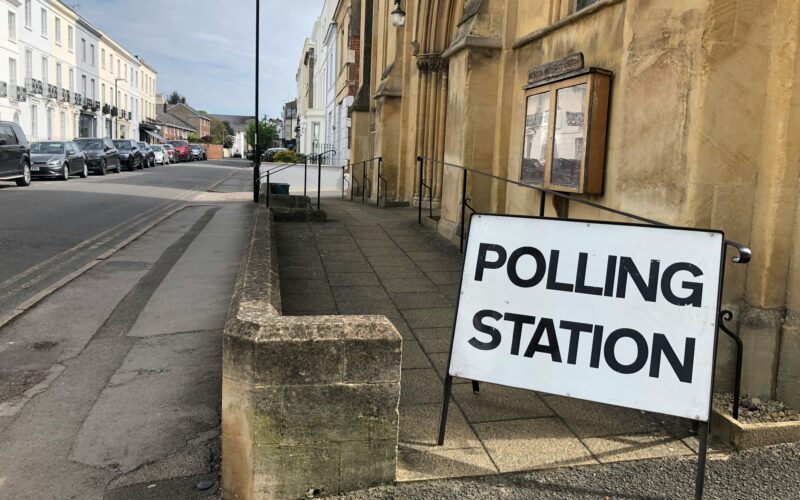
The British political map has experienced major changes since the local elections of 2026. As a wave of frustration has overwhelmed the two traditional parties in power, there are two insurgencies that have resulted in groundbreaking successes for both Reform UK and the Green Party. Although Labour and Conservatives lost ground and are struggling to hold the territory of their former strongholds, it is important to focus on the rising forces, as the future of UK’s councils is to be expected to lie within the boundaries of alternative policies. From the farmlands of Essex to cities such as London and Norwich, people demand a radical change in the way politics work in this country, as the current system has become outdated.
A tale of two ideologies
What is interesting about the outcomes of the local elections is the ideological tug-of-war that is taking place among the electorate. Citizens who felt left behind by the political center-ground have split into two distinct groups. Reform UK took advantage of a platform based on fiscal conservatism and restriction of immigration, which helped them dominate the territory of Thurrock and West Midlands. The supporters of this party argue that local councils have become overstaffed and wasteful, caring about “woke” ideas instead of working on fixing roads or offering tax freezes. For them, Reform means a protest against the corrupted system that cannot provide the basic amenities of life.
On the other hand, the increasing popularity of the Green Party in cities such as Hackney and Norwich suggests quite different priorities for its supporters. Mostly consisting of young people from university towns, the Green electorate feels disappointed in the actions of the ruling elite with regard to the environment, social housing and international relations. Instead, their policy offers “community-led resilience,” suggesting rent controls, municipalisation of the land and aggressive policies aimed at tackling climate problems on a local level. People on this side of the barricades consider the Reform platform dangerous to their lives because of the potential impact on the ecology and economy.
The fallout of a fragmented map
As a result of the 2026 local elections, the number of councils with No Overall Control reached unprecedented numbers. It makes the current local governance rather fragile as it poses a threat to the continuity of all the ongoing projects. It is especially complicated in the territories, where Reform and Greens have made considerable progress, because the ideological gap between them is too wide. It makes the cooperation difficult even if it is possible at all, which is why the local government officers are forced to navigate the “policy minefield” in order to make it through the decision-making process without obstacles.
The human toll of the current political situation becomes evident when talking about those who are living in areas of contested control of local councils. It turns out that people in these regions are experiencing difficulties with various services or do not know what to expect when dealing with council projects. For example, in East of England, some major infrastructure projects have been put on pause due to “financial reviews” performed by newly established Reform councils. In the meantime, some of the private developers working on the housing projects in Green-held territories express concerns regarding environmental policies that make such initiatives unsustainable.
The new face of local power
It goes without saying that the local elections affected many people involved in the political arena in this country. Many Labour or Conservative councillors who used to be the “furniture” of politics in the areas such as Salford or Norfolk have been replaced with insurgents who have never been in office before. It may hurt not only the political careers but the whole life path that such people have built so far. At the same time, young people who decided to stand against the ruling elites will have to prove themselves in their new roles and start delivering results of their campaigns.
Thus, it is clear that the local elections of 2026 have brought major changes to the political situation in Britain. The new players have managed to attract considerable attention, which will have to be translated into real improvements in people’s lives sooner or later.