
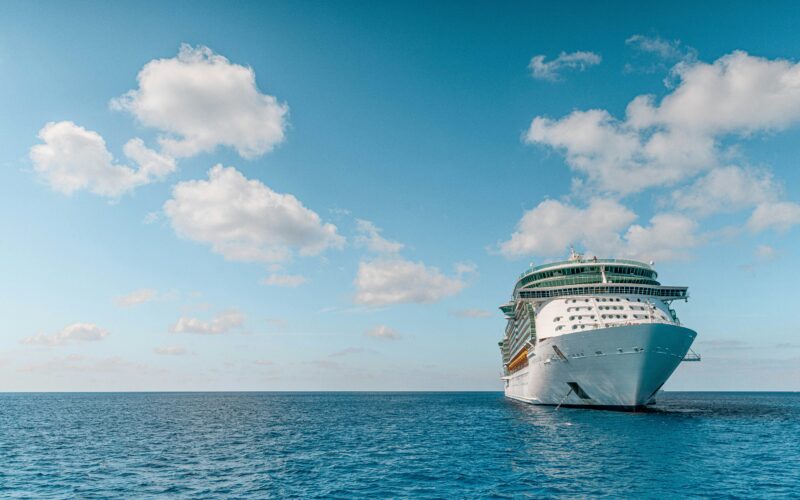
The cruise ship MV Hondius has been involved in a severe incident in the South Atlantic, with three fatalities and several more passengers requiring hospitalization. The MV Hondius is an ice-strengthened expedition ship operated by Oceanwide Expeditions that sailed from Ushuaia, Argentina, to the South Atlantic region in search of whales. The cruise ship was sailing on a 42-night voyage called “Atlantic Odyssey,” but what should have been a relaxing holiday for the 147 passengers and crew members has become a public health emergency.
The timeline of an outbreak
On April 6, a 70-year-old Dutch man showed signs of fever and headaches. Five days later, he died while the MV Hondius was still on the voyage, and his wife, who had disembarked with his body in the remote island of Saint Helena, was admitted to the hospital in South Africa and died on April 26. On May 2, the death toll rose to three people as another passenger, this time a German national, died due to hantavirus infection.
Currently, there are eight confirmed or probable cases of hantavirus associated with the MV Hondius. In addition to the three fatalities, there are five other passengers and one crew member who have shown symptoms of hantavirus infection. The two most serious cases involve a British passenger admitted to the ICU in Johannesburg, and two other crew members who experienced acute respiratory distress. They were air-evacuated to the Netherlands.
Identifying the Andes strain
The WHO and UK Health Security Agency (UKHSA) conducted tests on samples taken from the deceased passengers. According to the results, the cause of death is the Andes strain of hantavirus. Unlike other hantaviruses, which require close contact with rodents’ bodily fluids to infect humans, the Andes strain is capable of spreading person-to-person.
It appears that the first person may have contracted the disease while on a land excursion in Argentina or Chile before the MV Hondius departed. Still, there are confirmed cases of hantavirus infections on board. Therefore, the WHO is convinced that some degree of human-to-human transmission has occurred. As a result, passengers have been placed under quarantine to minimize the chance of further spread of the virus. Most travelers remain isolated in their cabins until the ship reaches its destination in the Canary Islands.
International response and repatriation
Due to the incident, the MV Hondius had to change course, and the ship is now headed to Tenerife, the main island in the Canary archipelago. Originally, the plan was to disembark the passengers in Cape Verdean territory, but the local government decided against it, citing insufficient facilities to handle the crisis. The UK government is planning to arrange a special flight for British citizens who are returning from the cruise ship. Passengers arriving at Heathrow Airport will be required to enter a mandatory 45-day isolation period due to the virus’s incubation period, which can last up to six weeks.
Overall, the incident with the MV Hondius caused significant concern. However, experts stress that there is no significant risk of widespread outbreaks of hantavirus infections among the general public. For now, the focus is on treating those affected by the illness and preventing it from spreading any further than the MV Hondius passengers and crew.