
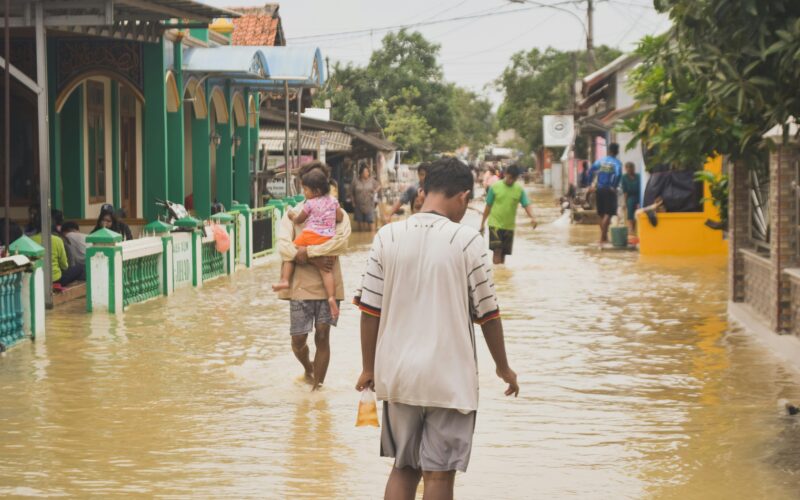
A series of powerful storms and torrential rains have swept across Afghanistan and Pakistan over the last two weeks, leaving a trail of destruction and a mounting loss of life. As of early April, disaster management officials in both nations have confirmed that at least one hundred and twenty-one people have been killed in weather-related incidents. The extreme weather, which includes flash floods, landslides, and lightning strikes, has particularly devastated rural and impoverished communities where infrastructure is often fragile and unable to withstand the force of nature.
In Afghanistan, the death toll reached seventy-seven within a ten-day window, with dozens more injured as the storm system moved from the southern provinces toward the north. According to reports from the Associated Press and AFP, the Afghanistan National Disaster Management Authority has warned that the situation remains critical as more rain is forecast for the coming days. The flooding has not only claimed lives but has also resulted in the complete destruction of nearly eight hundred homes, while thousands more have sustained significant damage. Beyond the immediate impact on residential areas, the floods have washed away hundreds of kilometers of vital roadways and destroyed vast areas of agricultural land, further threatening the livelihoods of families already struggling with economic instability.
One of the most pressing issues in Afghanistan is the disruption of major transport links, including the Kabul to Jalalabad highway, which serves as a primary artery connecting the capital to the Pakistani border. Landslides and rockfalls have forced the closure of several key mountain passes, isolating remote regions and complicating the delivery of humanitarian aid. Public works officials have noted that while crews are working around the clock to clear the debris, the persistent rainfall continues to trigger fresh landslides, making the recovery process both dangerous and slow.
Across the border in Pakistan, the death toll has surged past eighty since the beginning of the current weather cycle in mid-March. Data provided by Arab News and the Provincial Disaster Management Authority indicates that the northwestern province of Khyber Pakhtunkhwa has been the hardest hit, accounting for more than half of the national fatalities. Many of the deaths in this region were caused by structural failures, specifically the collapse of mud-brick walls and roofs during the heavy downpours. In the southern port city of Karachi, the meteorological department recorded a historic weather event this week, with rainfall levels surpassing a forty-year-old record for a single day in April.
The southwestern province of Balochistan has also seen significant casualties and property damage as a fresh western disturbance entered the region. National news outlets in Pakistan, including The News, have highlighted the vulnerability of standing crops to the hailstorms and high winds accompanying the rain. Farmers are facing the prospect of losing their primary sources of income just as they were preparing for the spring harvest. In response to the crisis, provincial authorities have declared a state of emergency in the most affected districts, urging citizens to avoid non-essential travel and to stay away from seasonal riverbeds that are prone to sudden flash flooding.
Environmental experts and climate scientists point to these recurring and intensifying weather patterns as evidence of the growing impact of climate change on South Asia. Afghanistan and Pakistan are frequently cited as two of the most vulnerable countries in the world to climate-related disasters, often oscillating between extreme droughts and devastating floods. This cycle of “disaster after disaster” leaves local populations with little time to recover before the next event occurs. As the current storm system persists, international aid organizations are monitoring the situation closely, emphasizing the need for long-term investment in disaster-resilient infrastructure and early warning systems to protect these high-risk communities in the future. This article was compiled using information provided by the Associated Press, AFP, and Arab News.
Mass comment blasting: $10 for 100k comments. All from unique blog domains, zero duplicates. I will provide a full report and guarantee Ahrefs picks them up. Email mailto:helloboy1979@gmail.com for payment info.If you received this, you know Ive got the skills.
无话可说,只是看看