
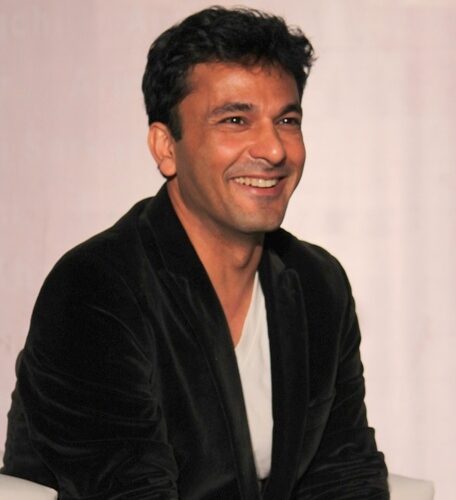
Celebrity chef Vikas Khanna has been named in the TIME 100 Most Influential People list for 2026, a recognition that highlights his global culinary influence, humanitarian work, and role in elevating Indian cuisine on the world stage. The honour has been widely reported across multiple outlets including TIME, the Times of India, and India Currents, each emphasising both his personal journey and broader cultural impact.
According to TIME magazine, Khanna is described as a chef of “extraordinary heart,” with his influence extending far beyond the kitchen. In his official TIME profile, he is credited not only for his success as a Michelin-starred chef but also for using food as a universal language to connect communities and preserve cultural identity. The publication highlights his New York restaurant Bungalow as more than a dining space, calling it a living expression of storytelling through Indian cuisine and memory.
The Times of India reports that Khanna’s inclusion in the list is being seen as a major milestone for Indian culinary representation globally. The article notes that his journey from Amritsar to becoming a globally recognised chef reflects years of perseverance, including early struggles, international training, and eventual success in high-profile kitchens in New York. The outlet also emphasises how Khanna’s work has helped bring Indian food into mainstream fine dining spaces around the world, reshaping perceptions of the cuisine.
India Currents similarly frames the recognition as both personal and cultural, noting that Khanna’s rise represents a broader moment for Indian gastronomy on the global stage. The publication highlights how his restaurant Bungalow in New York’s East Village has become a flagship for modern Indian dining, blending traditional flavours with contemporary presentation. It also points out that his inclusion in the TIME 100 list reflects not just culinary success but his ability to influence conversations about culture, identity, and migration through food.
Across all three outlets, a consistent theme is Khanna’s humanitarian work alongside his culinary achievements. TIME and other reports reference his large-scale food relief initiatives, particularly his “Feed India” campaign launched during the COVID-19 pandemic, which provided millions of meals to vulnerable communities. These efforts are frequently cited as central to why he is considered one of the most influential figures in contemporary food culture, demonstrating that his impact extends well beyond restaurants and television appearances.
His personal story is also a key focus of coverage. Born in Amritsar, Khanna’s early life included physical challenges and financial hardship, but he later trained in hospitality and built an international career that took him to leading restaurants in India, the Middle East, and the United States. The Times of India highlights how his persistence and willingness to innovate helped him transition from working in hotels to becoming a Michelin-starred chef and media personality.
TIME’s profile also underscores Khanna’s philosophy that influence is measured through impact on others rather than personal success alone. It notes that his work consistently centres on community, generosity, and storytelling, particularly through food that reflects memory and heritage. His approach to cooking is described as deeply emotional, often drawing on personal experiences and cultural roots to create dishes that resonate with a global audience.
India Currents adds that Khanna’s recognition also reflects the growing visibility of Indian chefs in international culinary rankings. His presence in the TIME 100 list alongside global figures from politics, entertainment, and technology is seen as evidence of how food culture has become a significant part of global influence narratives. The article also notes that his achievements help inspire younger chefs from South Asia who aspire to build international careers.
Across all reports, Khanna’s restaurant Bungalow is repeatedly mentioned as a key part of his current work. Located in New York, it is described as an immersive dining experience that blends storytelling with cuisine, offering menus inspired by Indian street food and regional traditions. The restaurant has been widely reviewed as a creative expression of modern Indian gastronomy and is frequently cited as central to his recent acclaim.
Ultimately, the recognition of Vikas Khanna in TIME’s 2026 list is being interpreted as more than a personal achievement. As reported by TIME, the Times of India, and India Currents, it represents a broader acknowledgment of Indian cuisine’s place in global culture, as well as the power of food to connect people across borders. His journey from a young chef in Amritsar to an internationally influential figure underscores themes of resilience, creativity, and cultural pride that continue to define his work today.