
A new Natural History GCSE is set to be introduced in England, marking a major shift in how young people learn about the environment and the natural world. The qualification, which is currently under consultation, aims to give students a greater understanding of biodiversity, conservation and climate change while encouraging practical engagement with nature.
According to The Guardian, the subject has been the focus of campaigning efforts for more than a decade, with environmental groups, educators and scientists arguing that young people need a dedicated qualification that helps them understand the challenges facing the natural world. The proposed GCSE is expected to be available alongside revised GCSE courses from 2028.
The course will focus on three broad themes: the natural environment in the UK, human impacts on nature and the challenges posed by climate change and biodiversity loss. According to government proposals, students will learn about ecosystems, habitats, wildlife conservation and the relationship between people and the environment.
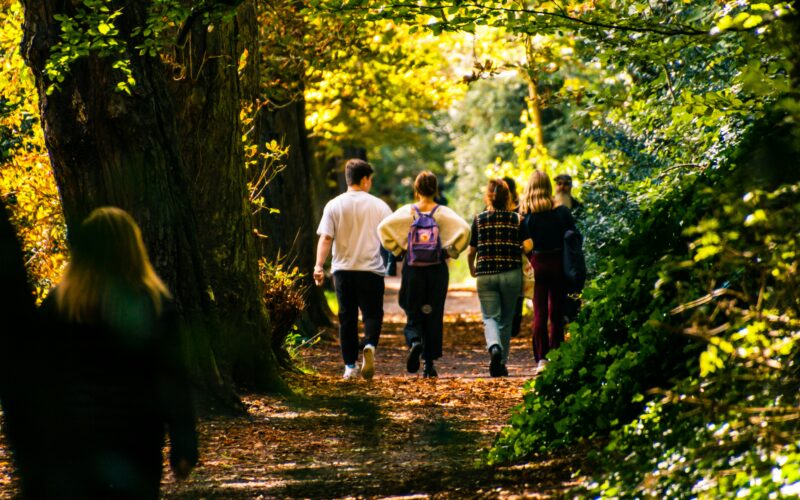
A key feature of the qualification will be a requirement for at least 20 hours of fieldwork. According to The Guardian, ministers want the course to encourage students to spend more time outdoors studying nature directly rather than learning exclusively in classrooms. The government has said the fieldwork could take place in local parks, school grounds and nearby green spaces to ensure the qualification remains accessible to students from all backgrounds.
According to Tes, the fieldwork element is intended to be a central part of the GCSE rather than an additional activity. Students will be encouraged to investigate a range of habitats and environments while developing practical scientific and observational skills. Supporters believe this hands-on approach will help pupils develop a stronger connection with nature and improve their understanding of environmental issues.
Schools Week reported that students taking the course would learn how to identify a variety of plants, animals and fungi while studying the ecosystems in which they live. The publication noted that schools are expected to make use of their own grounds and local areas wherever possible, allowing students to carry out investigations without the need for expensive trips or specialist facilities.
The government believes the qualification could also help prepare students for future careers in environmental science, conservation and sustainability. According to official consultation documents, the Natural History GCSE is designed to support the development of skills that may be increasingly valuable as green industries continue to expand in the coming decades.
The Natural History Museum has been involved in helping shape the qualification. According to The Guardian, those involved in developing the course hope it will inspire curiosity about local wildlife while helping students understand wider environmental challenges. The emphasis is expected to be on studying the natural world close to home, allowing young people to develop a better understanding of the ecosystems that surround them.
The announcement represents an important milestone after several years of uncertainty. According to Tes, the Natural History GCSE was first announced in 2022 but faced repeated delays as governments changed and education priorities shifted. Campaigners had expressed concerns that the qualification might never be introduced before the latest consultation process was launched.
Supporters of the GCSE argue that it comes at a time when many young people are becoming increasingly disconnected from nature. According to The Guardian, advocates believe the qualification could help reverse that trend by encouraging outdoor learning and fostering a greater appreciation of wildlife and the environment.
Schools Week reported that many educators have welcomed the proposal, viewing it as an opportunity to broaden environmental education within the curriculum. The publication noted that the qualification is intended to complement existing science and geography subjects while providing a more focused exploration of nature and conservation.
The government consultation will remain open for several weeks, allowing teachers, parents, students and environmental organisations to provide feedback on the proposed curriculum. Responses will help determine the final structure and content of the qualification before assessment arrangements are finalised.
If approved, the Natural History GCSE would become one of the most significant additions to England’s secondary school curriculum in recent years. Drawing together scientific knowledge, environmental awareness and practical outdoor learning, the qualification aims to equip students with a deeper understanding of the natural world and the challenges it faces in the years ahead.