
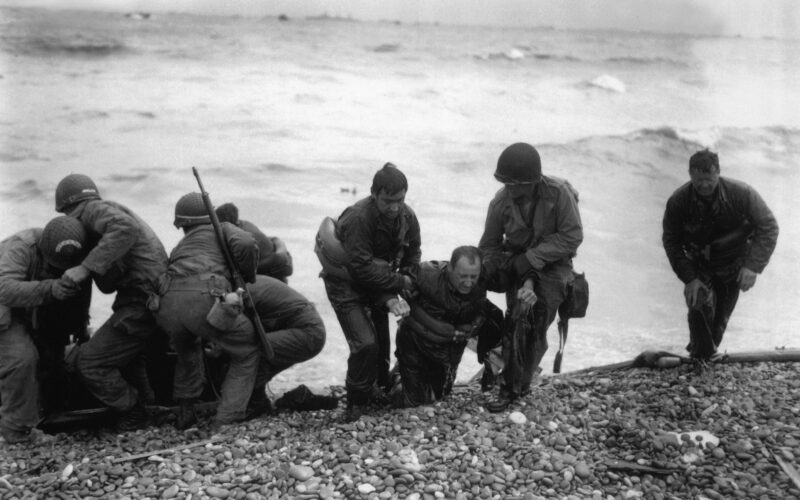
The beaches where Allied forces launched the historic D-Day landings during the Second World War have officially been added to the UNESCO World Heritage List, marking international recognition of one of the most significant military operations in modern history. The decision was announced during the UNESCO World Heritage Committee meeting in Busan, South Korea, on 26 July, confirming the Normandy coastline as a site of outstanding universal value.
According to Reuters, UNESCO described the Normandy beaches as an “exceptional cultural landscape” shaped not only by the events of 6 June 1944 but also by the decades of remembrance that have followed. The organisation said the coastline represents both the history of the Allied invasion and the continued commitment to preserving the memory of those who fought to liberate Europe from Nazi occupation.
The designation covers the five beaches that became synonymous with Operation Overlord – Utah, Omaha, Gold, Juno and Sword – where more than 150,000 Allied troops landed by sea while thousands more were dropped behind German lines by parachute. According to the Associated Press, the UNESCO listing also includes Pointe du Hoc, one of the operation’s most famous assault locations, together with numerous surviving wartime features that still bear witness to the events of June 1944.
The Allied invasion remains one of the largest amphibious military operations ever carried out. According to Reuters, soldiers from the United States, Britain, Canada, Australia, New Zealand, France, Belgium, Norway, Poland, Luxembourg, Greece and Czechoslovakia took part in the landings, while French commandos also joined the assault. The success of the operation marked a decisive turning point in the Second World War and paved the way for the liberation of France and much of Western Europe.
UNESCO’s recognition follows years of work by French authorities and heritage experts to secure international protection for the historic coastline. According to Euronews, the nomination process began nearly two decades ago and sought to highlight not only the military importance of the beaches but also their lasting role as symbols of peace, reconciliation and international cooperation. Supporters argued that the sites have become places of remembrance where visitors from around the world reflect on the sacrifices made during the war.
The recognition places the Normandy beaches alongside other internationally significant sites that commemorate major moments in human history. According to the Associated Press, UNESCO’s advisory body concluded that the area contains extensive physical evidence of the D-Day landings, including German defensive fortifications, bomb-damaged landscapes, remnants of the artificial Mulberry harbours and sunken military vessels. These surviving features help preserve the story of the invasion for future generations.
French officials welcomed the announcement, describing it as recognition not only of the military achievement itself but also of the values it represents. According to Reuters, the beaches have become the focus of annual commemorations attended by world leaders, military veterans and members of the public who gather to honour those who participated in the landings. These ceremonies have helped transform the coastline into a place of shared international remembrance rather than simply a former battlefield.
However, the new designation also brings responsibilities. According to the Associated Press, heritage experts have warned that the beaches and surrounding sites face growing challenges from coastal erosion, rising sea levels, increasing visitor numbers and nearby development projects. UNESCO’s advisory bodies recommended continued monitoring and conservation work to ensure that the landscape and its historic remains are protected for future generations while allowing public access.
Euronews reported that supporters of the nomination believe World Heritage status could also strengthen the local economy by attracting additional visitors to Normandy. The region already welcomes around 1.8 million people each year to its D-Day sites, many travelling from Britain, the United States and Canada to learn about the events that shaped the outcome of the Second World War. Regional leaders have suggested that UNESCO recognition could further increase tourism while encouraging sustainable management of the historic coastline.
The announcement comes at a time when UNESCO has increasingly recognised sites associated with remembrance and reconciliation, despite historically being cautious about designating places linked primarily to conflict. According to Euronews, campaigners argued that the Normandy beaches represent far more than a battlefield, serving instead as enduring symbols of international cooperation, sacrifice and the defence of freedom.
For historians, veterans’ families and millions of visitors, the UNESCO listing confirms the global importance of preserving the places where one of history’s defining moments unfolded. More than eighty years after Allied forces crossed the English Channel to begin the liberation of Nazi-occupied Europe, the beaches of Normandy have now received permanent international recognition, ensuring their story and the lessons they represent will continue to be protected and remembered for generations to come.