
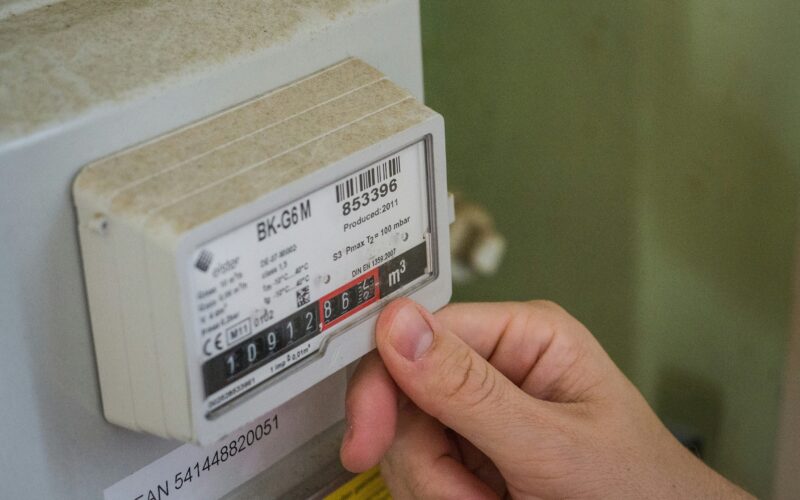
NEW DELHI, INDIA – On April 10, 2026, the familiar sounds of igniting gas stoves were heard no more in India, with the entire country transitioning en masse from traditional LPG-based cooking to the quiet, efficient induction cookers. Struggling with the ever-growing shortage of Liquified Petroleum Gas (LPG), caused by the ongoing West Asian conflict and the blocking of the Strait of Hormuz, Indian citizens have no other choice but to start cooking with electricity, putting an extraordinary strain on the country’s national power grid.
In an effort to minimize the consequences of this crisis that has been developing for two weeks already, the Indian government increased sales of smaller 5-kg cylinders targeted specifically to students and migrant workers in hopes to compensate for the lack of available 14.2-kg domestic ones. However, due to continued shortages of both types, a flourishing black market has appeared, and over 3,400 raids have been organized by the police force on Friday alone. As a result, hundreds of thousands of gas canisters have been seized and scores of distributors have been suspended due to hoarding and speculative pricing.
The Grid Under Pressure
What began as a matter of convenience and necessity soon turned into an unexpected technical challenge for the nation. According to the Ministry of Power, the demand for induction cookers has risen by an estimated 30-40%, which translates to the need for 15 to 25 gigawatts of additional electricity infrastructure in an extraordinarily short period of time. As more homes in large cities like Ahmedabad and Mumbai become dependent on electrical grids, the Central Electricity Authority has had to reconsider their resource adequacy plans in order to avoid any local outages.
While coal-fired power plants—the mainstays of Indian energy industry for years—continue operating at full capacity in the current circumstances, the government has also decided to speed up the launch of new renewable and hydroelectric projects that would have been implemented much later in the year. Additionally, the Ministry of Coal issued a directive instructing state-owned miners to prioritize coal deliveries for small and medium consumers reverting back to conventional cooking means.
Strategic Shifts and Global Resilience
What began as a matter of convenience and necessity soon turned into an unexpected technical challenge for the nation. According to the Ministry of Power, the demand for induction cookers has risen by an estimated 30-40%, which translates to the need for 15 to 25 gigawatts of additional electricity infrastructure in an extraordinarily short period of time. As more homes in large cities like Ahmedabad and Mumbai become dependent on electrical grids, the Central Electricity Authority has had to reconsider their resource adequacy plans in order to avoid any local outages.
While coal-fired power plants—the mainstays of Indian energy industry for years—continue operating at full capacity in the current circumstances, the government has also decided to speed up the launch of new renewable and hydroelectric projects that would have been implemented much later in the year. Additionally, the Ministry of Coal issued a directive instructing state-owned miners to prioritize coal deliveries for small and medium consumers reverting back to conventional cooking means.
The current energy crisis in India has clearly shown how vulnerable the country’s economy is to external factors, but it may prove to become a driving factor of rapid modernization as well. While the situation in the near term will require all efforts to be focused on preventing complete failure of either LPG distribution network or the national power grid amid peak consumption in the summer, the “Great Kitchen Pivot” of April 2026 could go down in history as a milestone in Indian energy revolution.