
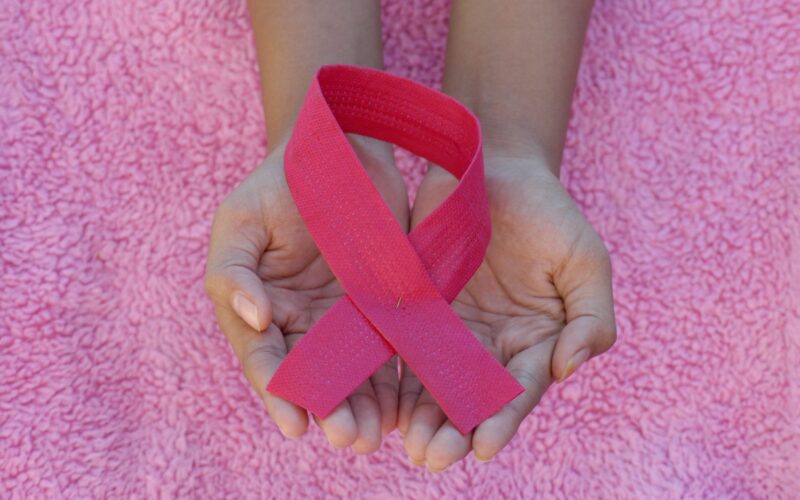
The publication of a significant report by the World Health Organization (WHO) and the International Agency for Research on Cancer (IARC) has revealed alarming predictions. Without immediate global action, the number of new cancer patients could rise to nearly 35 million annually by 2050, almost double the current figures.
Cancer currently claims over 26,000 lives each day and ranks as the second leading cause of death worldwide. Public health workers are particularly troubled by the widening gap between those with access to adequate treatment and those without.
The data reveals a troubling reality that healthcare professionals are well aware of: a patient’s recovery is heavily influenced by their geographical and economic circumstances.
In developed countries, the availability of essential oncology medicines ranges from 68% to 94%. In stark contrast, developing and lower middle-income nations see availability plummet to between 9% and 54%.
According to the study, there are even 23 countries lacking any radiation therapy facilities. This disparity has resulted in groundbreaking therapies benefiting those in developed nations, leaving millions in developing regions facing curable diseases without treatment.
Understanding the Impact of Cancer on Global Wellbeing
The Importance of Health in Cancer Prevention
The new health appraisal is unique due to its unprecedented inclusion of patient perspectives. For the first time, WHO conducted a global survey focusing on the experiences of patients and their families coping with cancer after diagnosis.
The findings underscore the psychological and financial suffering caused by the illness. Around 45% of participants faced significant financial difficulties due to treatment, and more than half reported experiencing mental health issues.
The role of caregivers was also highlighted, with reports of immense stress and social isolation despite their invaluable support.
Despite these troubling statistics, health authorities insist that hope for the future is not lost. Public health experts estimate that nearly four in ten cancer patients worldwide suffer from preventable risk factors.
Lifestyle choices and environmental influences, including smoking, alcohol consumption, obesity, lack of exercise, and certain viral infections, remain largely preventable.
Encouragingly, thanks to stringent international policies, the global prevalence of tobacco smoking has decreased by 27% since 2010. Additionally, improved vaccination and sanitation have led to a sharp decline in infection-related cancers in many nations.
To close the global gap in healthcare services, significant investments must be made in human capital, financial protection, and education-focused prevention. As we approach 2050, humanity faces critical choices about our future path.
Messages from health institutions indicate that the scientific community has equipped us with the tools to address these challenges. The next step involves implementing effective policies that guarantee equitable access to essential services.
To close the global gap in healthcare services, significant investments must be made in human capital, financial protection, and education-focused prevention. As we approach 2050, humanity faces critical choices about our future path.