

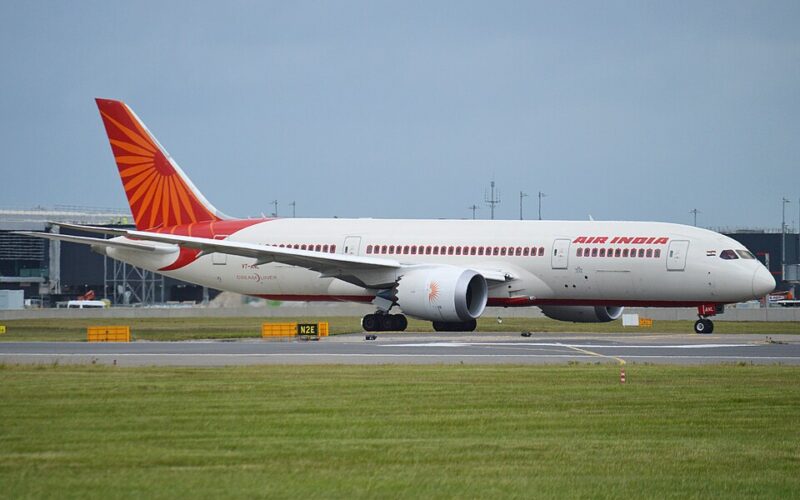
The landscape of international aviation between India and West Asia is undergoing a rapid and significant transformation as Air India and its subsidiary, Air India Express, implement a dramatic shift in their operational strategy. This restructuring, characterized by the move from fixed scheduled services to ad-hoc flight operations, comes as a direct response to escalating geopolitical tensions and the resulting instability in regional airspace. The decision marks a pivotal moment for the national carrier as it prioritizes operational safety and flexibility over the traditional predictability of commercial flight tables in one of its most lucrative and high-traffic corridors.
According to reporting from The Economic Times, the primary catalyst for this shift is the ongoing conflict and the closure of strategic maritime and aerial routes, most notably the Strait of Hormuz. This geographical bottleneck has become a focal point for regional risk, leading to what aviation experts describe as a negative supply shock. For Air India, the ripple effects have manifested as increased insurance premiums, volatile fuel surcharges, and the necessity of frequently rerouting aircraft to avoid sensitive zones. The Economic Times notes that the transition to ad-hoc operations allows the airline to react in real-time to daily security assessments rather than committing to long-term schedules that may become untenable.
The scale of this operational pivot is particularly evident in the carrier’s service to the United Arab Emirates, which serves as a vital link for the Indian diaspora and business travelers. Analysis by Mint highlights that while long-haul flights to European and North American destinations currently remain largely undisrupted, the regional network is facing a much more fractured reality. Flights to major hubs like Dubai, Abu Dhabi, and Sharjah are being managed on a case-by-case basis, with the airline issuing short-term flight notices to passengers. Mint reports that this “Surcharge Spike” and schedule volatility are expected to impact profitability in the short term as the carrier absorbs the logistical costs of these constant adjustments.
Further details provided by Reuters emphasize the broader industry context, noting that Air India is not alone in its cautious approach to the West Asian theater. Several international carriers have begun similar movements, but the impact on India is unique due to the sheer volume of labor and trade migration between the two regions. Reuters points out that destinations including Bahrain, Kuwait, and Tel Aviv have seen temporary but total suspensions of scheduled services, replaced only by special repatriation or essential-cargo flights. This move is seen as a defensive maneuver to protect high-value assets and ensure crew safety during a period of heightened alert.
The shift to ad-hoc flying also introduces significant challenges for passengers and the travel industry at large. The Economic Times has observed that travel agencies and corporate booking platforms are struggling to keep pace with the changing availability, leading to a surge in last-minute ticket prices and a general sense of uncertainty for the millions of Indian citizens working in the Gulf. The report suggests that the airline is working closely with the Ministry of Civil Aviation to ensure that despite the lack of a fixed schedule, the total seat capacity remains sufficient to prevent a total breakdown in connectivity between the two economic partners.
Adding to the complexity of the situation is the recent leadership transition at the International Air Transport Association, as noted by Mint. With the organization’s director general moving into a new role within the Indian aviation sector, there is a renewed focus on how regional carriers navigate these crises. The analysis suggests that the Air India model of ad-hoc operations may become a blueprint for other airlines in the Asia-Pacific region who are dealing with the fallout of the Strait of Hormuz closure. This strategy prioritizes the “connected aircraft” philosophy, using real-time data to navigate around high-risk zones while maintaining a skeleton network of essential transport.
Reuters concludes its coverage by highlighting the economic undercurrents of this decision, specifically the impact of rising global fuel prices. The closure of key energy transit points has forced airlines to implement massive fuel surcharges, making the traditional budget-airline model nearly impossible to maintain on West Asian routes. By shifting to ad-hoc operations, Air India can consolidate passengers onto fewer, more efficient flights and adjust pricing dynamically to reflect the actual cost of a single journey. This move toward a more agile, data-driven flight model represents a fundamental change in how the airline intends to survive and eventually thrive in an era of constant global disruption.
As the situation in West Asia remains fluid, the aviation sector continues to monitor the impact on global supply chains and consumer confidence. The collaboration between news outlets like The Economic Times, Mint, and Reuters provides a comprehensive view of a crisis that is as much about logistics and economics as it is about geopolitics. For the time being, the familiar sight of a fixed Air India timetable to the Gulf has been replaced by a more cautious and reactive system, ensuring that while the journey may be less predictable, the commitment to maintaining the air bridge between India and West Asia remains intact.