

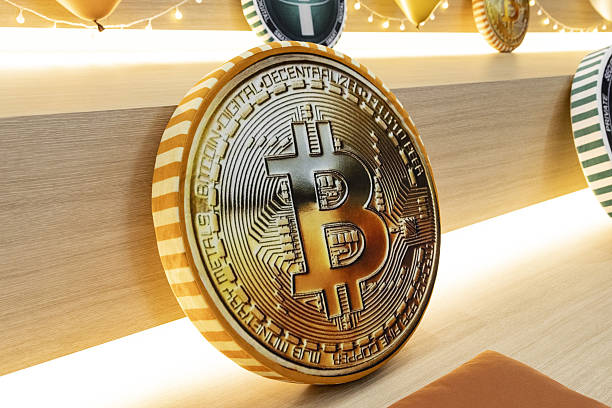
A major South Korean cryptocurrency exchange has admitted to accidentally crediting customers with more than $40bn (£32bn) worth of bitcoin, briefly turning hundreds of users into instant millionaires.
The platform, Bithumb, said it intended to issue a modest reward of 2,000 won (about $1.37) to customers. Instead, due to a system error on Friday, users were credited with 2,000 bitcoins each.
Bithumb apologised for the incident, saying the mistake was identified quickly and almost all of the wrongly distributed funds were recovered. Trading and withdrawals for the 695 affected accounts were frozen within 35 minutes of the error being detected.
According to the company, 99.7% of the 620,000 bitcoins sent in error have since been retrieved.
In a statement released on Friday, Bithumb stressed that the incident was not the result of hacking or a security breach. “There was no external intrusion, and customer assets and system security remain intact,” the exchange said.
South Korea’s financial watchdog held an emergency meeting on Saturday to assess the situation. The Financial Supervisory Service (FSS) said it would launch formal investigations if any unlawful activity is uncovered.
Bithumb said it would fully co-operate with regulators. Chief executive Lee Jae-won described the incident as a turning point for the company, adding that it would now place customer trust and reassurance above expansion.
As part of its response, the exchange said it would compensate all users active on the platform at the time with 20,000 won ($13.66), temporarily waive trading fees and roll out additional safeguards.
The company also announced plans to strengthen its verification processes and deploy artificial intelligence tools to flag abnormal transactions.
The episode is expected to reignite debate over tighter oversight of financial systems. High-profile errors are not limited to crypto: in April 2024, US banking giant Citigroup mistakenly credited a customer with $81 trillion instead of $280, before reversing the transfer within hours, according to the Financial Times.